Stronger Together: Libraries, Schools, and Makerspaces Powering UK Repair

Across the UK, building partnerships with libraries, schools, and makerspaces can expand the repair movement by linking welcoming spaces, trusted educators, and hands-on workshops. Together they unlock tools, confidence, and community, turning broken objects into learning moments, practical fixes, and hopeful stories that inspire sustainable habits.

Why Public Spaces Make Ideal Repair Hubs

Libraries, schools, and makerspaces already knit communities together, offering trust, accessibility, and practical space in every postcode. When aligned around repair, they transform curiosity into capability, bridge generational knowledge, and invite people who might never step into a technical venue to learn, share, and mend with confidence.

Blueprints for Win–Win Collaboration

Successful partnerships start by aligning missions, clarifying responsibilities, and designing repeatable rhythms. Agreeing on schedules, space use, publicity, safeguarding, and feedback loops turns one-off events into reliable programs. When each partner’s strengths are celebrated, participation grows organically and repair becomes an expected, celebrated part of local life all year.

Shared Calendars and Predictable Rhythms
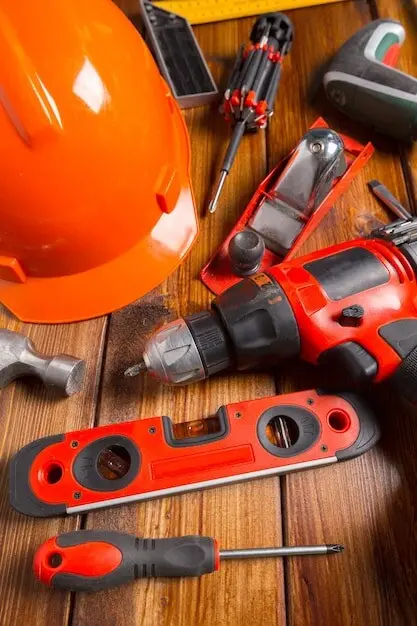
Monthly clinics at the library, term-time school clubs, and open-bench Saturdays at the makerspace create dependable habits. Predictability helps residents set reminders, volunteers plan shifts, and teachers align learning outcomes. Publish schedules early, co-brand posters, and pin events on community noticeboards, ensuring no one misses chances to learn and repair together.

Co-created Learning Paths

Map a gentle progression from observing to attempting simple fixes, then tackling diagnostic challenges. Blend short talks, demonstrations, and supervised practice. Offer badges for milestones, like safe soldering or textile mending basics. When learners see achievable steps, anxiety falls, participation rises, and the repair movement gains everyday champions who invite friends.

Finding Money without Losing Mission

Blend micro-grants, Friends-of-the-Library fundraising, PTA support, and local business sponsorship of parts. Keep budgets transparent and modest, emphasizing community benefit and waste reduction. Demonstrate value with simple metrics, heartfelt testimonials, and photographs of happy repairers holding revived belongings, reminding funders that small investments unlock lasting skills and meaningful climate action.

Safeguarding, Consent, and Welcoming Protocols

Create friendly check-in desks, name stickers, and clear house rules. For youth sessions, follow safeguarding guidance, secure permissions, and ensure supervised work areas. Use photo consent forms and accessible language. When people feel informed, respected, and safe, they ask better questions, try new techniques, and invite neighbors to join next time.

Programs that Spark Repair Fever

Design experiences that feel festive, useful, and welcoming. Mix family-friendly evenings, curriculum-aligned challenges, and open-bench exploration. Pair storytelling with hands-on action, and always end with reflection. Visible victories—like a buzzing radio or mended zip—create momentum, social proof, and the irresistible urge to return with another stubborn object.

Family Repair Nights inside the Stacks

Between book shelves, set up cozy tables with lamps and tool caddies. Play gentle music, offer tea, and let children hold the torch while adults loosen screws. Celebrate each small win with a sticker. Families leave smiling, clutching working items and planning who they will invite to the next session.

Curriculum-Linked Challenges that Count

Co-design tasks with teachers: test circuits, diagnose common faults, and document hypotheses like engineers. Award credit for reflection and teamwork. Invite grandparents to share repair wisdom. Students discover that science and design can rescue real objects, while exam-ready language emerges naturally through labeled diagrams, careful notes, and purposeful presentations.

Open Bench Saturdays in the Makerspace

Throw open doors for guided experimentation. Provide project cards: lamp rewires, bike brake tweaks, zip replacements, and wobbly chair fixes. Rotate themed tables and guest mentors. People wander, learn, and attempt manageable tasks, witnessing many different skills in action and leaving determined to practice, return, and teach a friend.

Measuring, Sharing, and Scaling Impact

Data and stories keep momentum alive. Track items saved, estimated carbon avoided, volunteer hours, and learner confidence. Pair numbers with human moments: the repaired heirloom, the first safe solder joint. Share in newsletters, assemblies, and local press to attract partners, secure support, and inspire copycat programs across neighboring communities.

Reaching Everyone, Everywhere

Equity and inclusion are non-negotiable. Plan for language diversity, disability access, and financial barriers. Bring mobile setups to estates, rural villages, and community halls. Partner with housing associations and youth groups. When people feel genuinely welcomed, they participate proudly and become the most persuasive ambassadors for future repair gatherings.
Laxizavokentotelixarinilokira
Privacy Overview

This website uses cookies so that we can provide you with the best user experience possible. Cookie information is stored in your browser and performs functions such as recognising you when you return to our website and helping our team to understand which sections of the website you find most interesting and useful.