
Fix, Learn, and Connect Across the UK
How It Works on a Saturday Morning
What You Can Bring to the Bench

Small Electricals and Power Tools
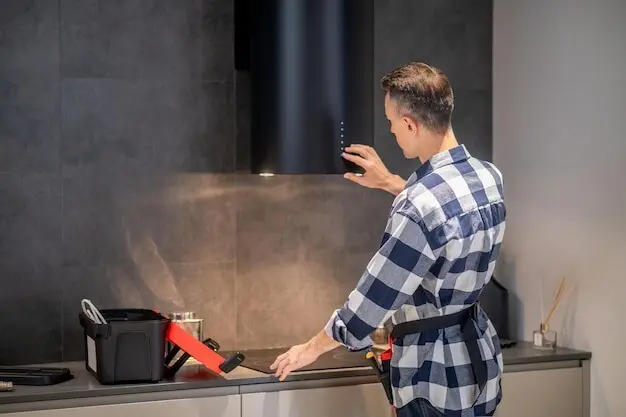
From hairdryers that sputter to kettles with unreliable switches, electricals respond well to careful cleaning, continuity tests, and replacement parts. PAT testing helps keep everyone safe, while volunteers share tips on cable strain relief, plug rewiring, and switch mechanisms. If a repair requires soldering or specialty components, you can learn exactly what to order, how to fit it, or where to find a community workshop for further help.
Textiles, Darning, and Visible Mending
From hairdryers that sputter to kettles with unreliable switches, electricals respond well to careful cleaning, continuity tests, and replacement parts. PAT testing helps keep everyone safe, while volunteers share tips on cable strain relief, plug rewiring, and switch mechanisms. If a repair requires soldering or specialty components, you can learn exactly what to order, how to fit it, or where to find a community workshop for further help.
Bicycles, Punctures, and Brakes
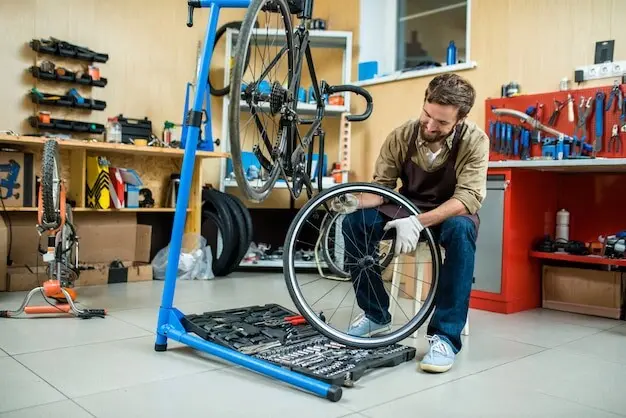
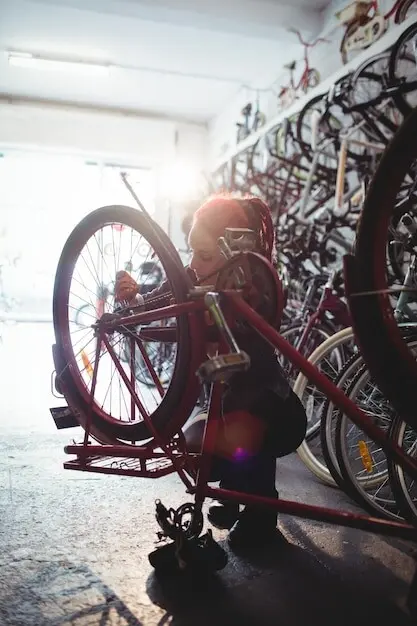
From hairdryers that sputter to kettles with unreliable switches, electricals respond well to careful cleaning, continuity tests, and replacement parts. PAT testing helps keep everyone safe, while volunteers share tips on cable strain relief, plug rewiring, and switch mechanisms. If a repair requires soldering or specialty components, you can learn exactly what to order, how to fit it, or where to find a community workshop for further help.
People Who Make It Happen
Volunteer Fixers and Mentors
Hosts, Sign-Up Crew, and Data Wizards
Safety, Insurance, and Practicalities
Risk Assessments That Empower
A good risk assessment is a map, not a barrier. It highlights hazards, then pairs each with practical mitigations like cable mats, fume extraction, fire points, and first-aid visibility. Volunteers practise stop–think–act routines and communicate clearly about limits. Children engage safely under supervision. Review sessions after events refine procedures, from soldering setups to sewing machine placement. Confidence grows when everyone understands the why behind each simple, respectful safety choice.
Electrical Testing, Tools, and Spare Parts
PAT testing, insulation checks, and continuity testing keep electrical tables safe. Toolkits include screwdrivers, spudgers, multimeters, spare fuses, heat-shrink, and contact cleaner. When replacements are necessary, part numbers are documented with sources for ethical purchasing. Volunteers demonstrate careful reassembly, torque sensitivity, and strain relief. Borrowed tool libraries and maker spaces often collaborate, expanding capability without wasteful duplication. Transparency about limitations ensures honesty, while communal tool care extends longevity and collective confidence.

Starting One in Your Town
Finding a Welcoming Venue
Village halls, libraries, churches, and community centres often offer accessible, affordable spaces with power sockets and storage. Look for natural light, nearby parking, and a corner for refreshments. Book recurring dates to build momentum, and collaborate on publicity with venue staff. A shared calendar, simple floor plans, and emergency contacts streamline setup. Hosting pop-ups at festivals or markets introduces new audiences, while a home base anchors consistency, trust, and practical familiarity.
Building the Crew and Partnerships
Recruit through local Facebook groups, repair networks, and maker spaces. Invite librarians, cycling clubs, sewing circles, and environmental groups to co-host sessions. Schools and scouts love skill-sharing projects. Council waste teams, housing associations, and reuse charities provide valuable connections, training, and storage. Publish a lightweight volunteer handbook, rotate roles, and celebrate milestones. With each partnership, capability grows—more tables, richer skills, inclusive outreach—and your town gains a warm hub for resilient, hands-on problem solving.
Funding, Donations, and Impact
Keep events free at point of use, inviting optional donations for consumables and venue costs. Small grants, local sponsors, and circular-economy funds can cover insurance and tools. Track items repaired, estimated weight diverted from landfill, and visitor learning outcomes. Share numbers alongside human stories—granny’s lamp lighting again, a child’s toy rescued before bedtime. Publish results monthly, thank supporters by name, and invite subscribers to contribute materials, time, or thoughtful feedback that strengthens future sessions.
Right to Repair and Policy Momentum
From Waste to Wisdom: Measuring Impact
All Rights Reserved.